

Pakistan’s workforce is going through a quiet revolution. Generation Z—those born between 1997 and 2012—are stepping into offices, startups, and digital workspaces with a mindset that is dramatically different from their predecessors. They are the first truly digital-native generation in Pakistan, raised alongside smartphones, social media, and instant connectivity. This upbringing has shaped their expectations, values, and work habits in ways that are now reshaping how companies operate.
While Baby Boomers, Gen X, and Millennials often adjusted themselves to fit workplace norms, Gen Z is asking workplaces to adapt to them. They are not simply joining Pakistan’s corporate landscape—they are rewriting its rules.
1. Purpose Over Paycheck
For many young Pakistani professionals, salary is important but not the only reason to stay in a job. Gen Z looks for meaningful work and alignment with their values. They want to know: Is my work contributing to society? Is my employer socially responsible?
For instance, a Karachi-based fintech startup that invests in financial literacy programs in underserved areas will naturally appeal to Gen Z talent more than a company solely focused on profits.
2. Flexibility as a Right, Not a Perk
The COVID-19 pandemic normalized remote and hybrid work in Pakistan’s urban centers. Gen Z, already comfortable with Zoom calls and Slack chats, now views flexibility as standard.
In cities like Lahore, Islamabad, and Karachi—where commuting can eat up hours—young workers prefer roles that allow location independence or flexible schedules. Companies that stick to rigid office attendance risk losing top Gen Z candidates to employers offering better work-life flexibility.
3. Tech-First Communication
Gen Z employees are quick to adopt digital collaboration tools over traditional email. They prefer Trello boards, WhatsApp groups, and Microsoft Teams chats for quick decision-making.
This shift is slowly changing Pakistan’s office culture, where formal memos are giving way to instant, agile communication styles. Businesses that resist these tools may come across as outdated to younger employees.
4. Inclusivity and Representation
Gen Z in Pakistan values diversity and inclusion—but in a way that is sensitive to local cultural dynamics. They expect gender equality in promotions, support for differently-abled employees, and fair hiring based on merit rather than personal connections.
Even in more traditional industries, young professionals are pushing for transparent hiring processes and leadership opportunities for women and minorities.
5. Mental Health Matters
Talking about mental health in the workplace was once taboo in Pakistan, but Gen Z is changing that. They openly discuss stress, burnout, and work-related anxiety.
Progressive companies, especially in tech and creative industries, are now introducing mental health days, counseling services, and wellness programs to attract and retain young employees.
6. Career Growth on Fast-Forward
Gen Z in Pakistan doesn’t want to wait a decade for a promotion. They seek rapid skill development and clear career roadmaps.
A young marketing executive in Islamabad might join a firm because it offers mentorship programs, online certifications, and exposure to diverse projects rather than relying solely on a higher salary.
7. Blending Work and Life
Work-life balance is giving way to work-life integration. Gen Z professionals often bring their personal passions into their careers—whether it’s using graphic design skills to help a company’s social media or leveraging coding expertise to improve internal tools.
For them, the ideal workplace is one where professional goals and personal values can co-exist.
8. Entrepreneurial Mindset
Many Gen Z workers in Pakistan are entrepreneurs at heart. They run side hustles, freelance, or even launch small e-commerce ventures while holding full-time jobs.
Forward-thinking companies are starting to embrace this by offering intrapreneurship programs, allowing employees to experiment with innovative ideas within the organization.
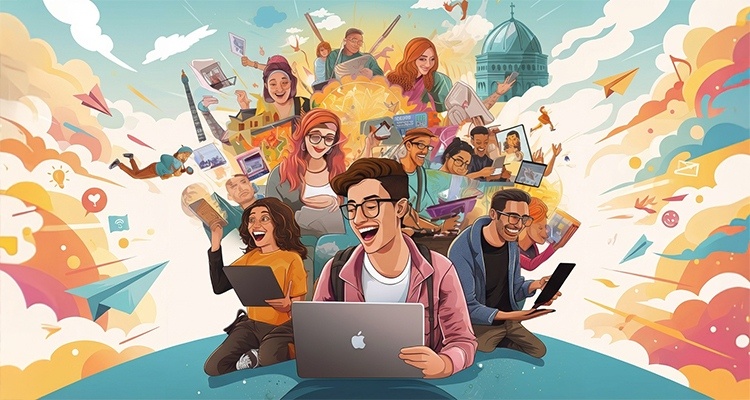
Why This Shift Matters for Pakistan
Pakistan’s labor market is young—over 64% of the population is under 30. This means the values and preferences of Gen Z will shape the future of business in the country for decades to come.
If companies fail to adapt, they risk high turnover, disengagement, and difficulty in attracting new talent. On the other hand, those who align their policies with Gen Z’s priorities—purpose-driven work, flexibility, inclusion, mental health, and skill development—will stand out as employers of choice.
The Bottom Line
Generation Z is not simply filling positions in Pakistan’s workforce—they are reshaping workplace culture from the inside out. Their influence is pushing companies toward more flexible, ethical, and innovative practices.
In the years ahead, businesses that evolve alongside this generation will not only survive but thrive. Those that resist change may find themselves struggling to keep pace in a market driven by youthful energy, digital fluency, and a demand for authenticity.